
+Categories
- Astronomy Resources
- Books
- DVDs
- Science Kits
- Posters
- Toys and Puzzles
- Souvenirs
- Clothing
- Gifts for Geeks
- Gifts
- Events
- Australia Telescope Compact Array Merchandise
VISIT THE DISH

Gifts


123 Rocket Ship
$24.95
A five foot tall rocket themed puzzle that teaches counting!
50+ pieces
5 feet tall / 152.4cm


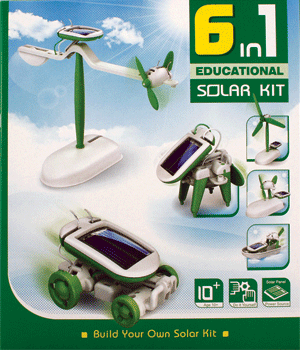
6 in 1 Solar Kit
$29.95 $34.95
This kit is an excellent beginner educational solar kit, teaching the basic solar power principals and also how it drives the motor and makes the movements of each model. This kit provides full set of plastic parts, solar panel and all necessary parts to build your own solar kit. Suitable for ages 10 and up.

Adults - Banner Shirt
$27.95
Mens - The Dish Banner Shirt. 100% cotton.
COLOUR: Coal

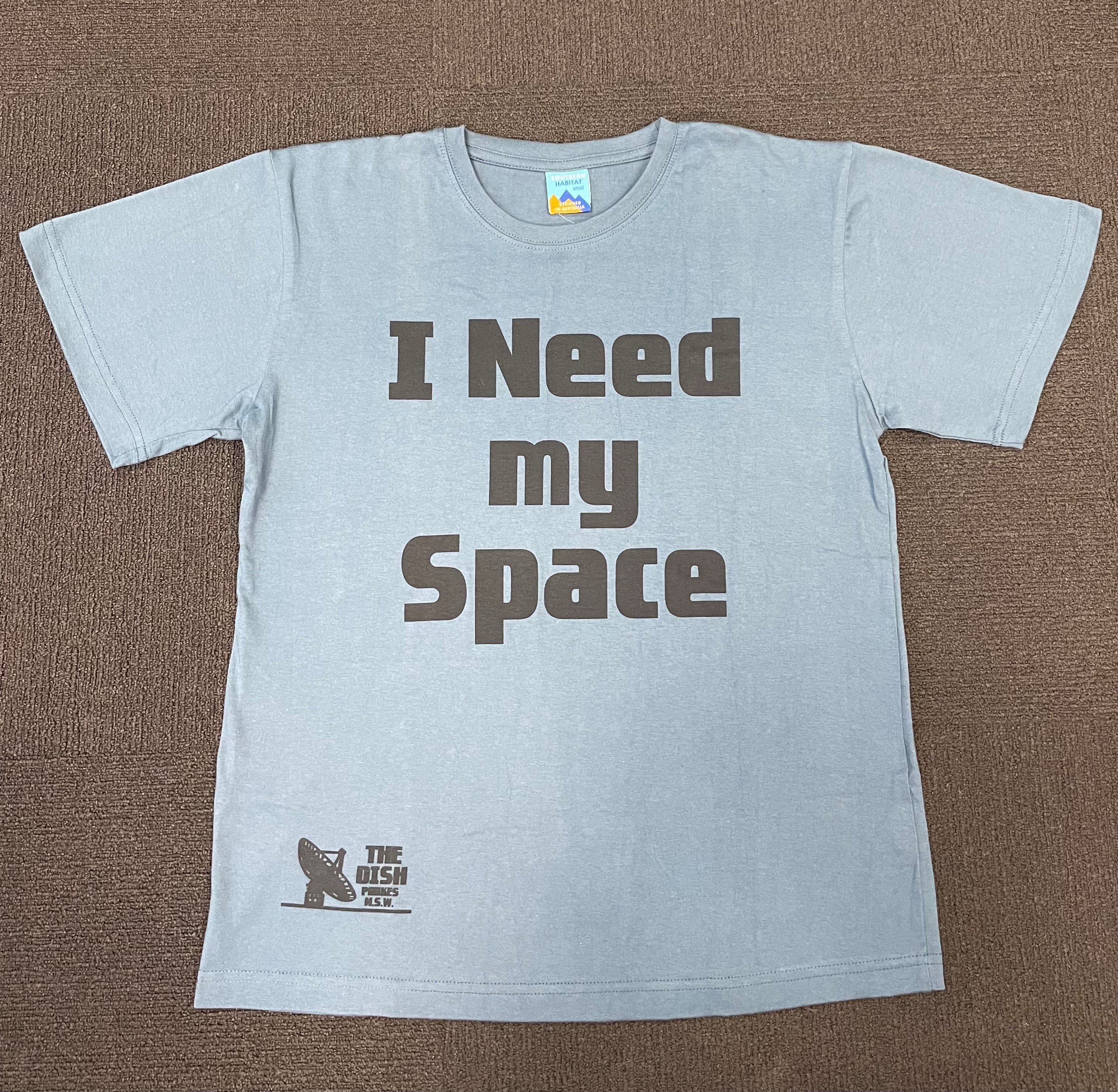
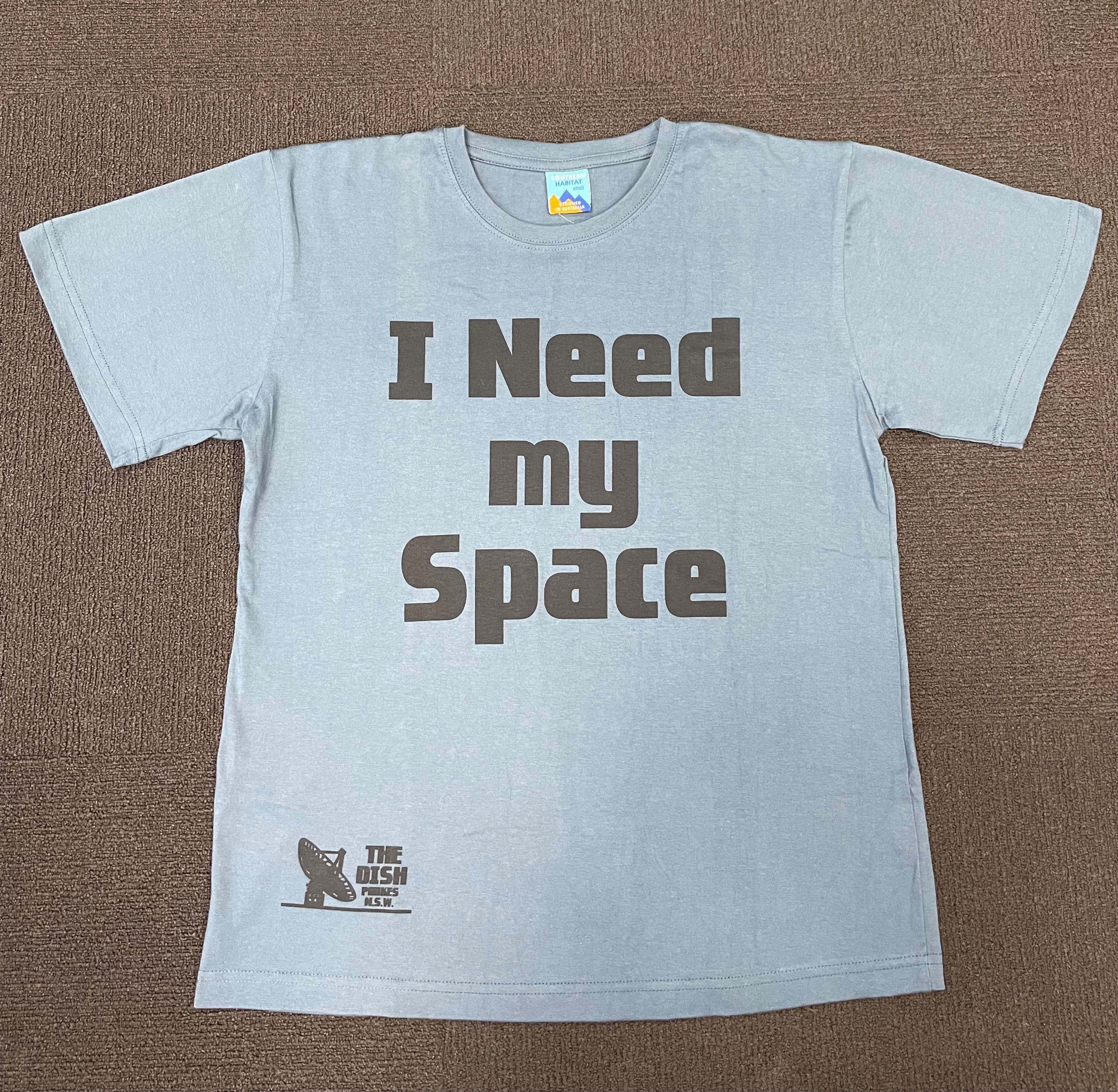
Adults - I Need my Space Shirt Blue
$27.95
Mens - I need my space t-shirt. Colour - Blue 100% cotton.
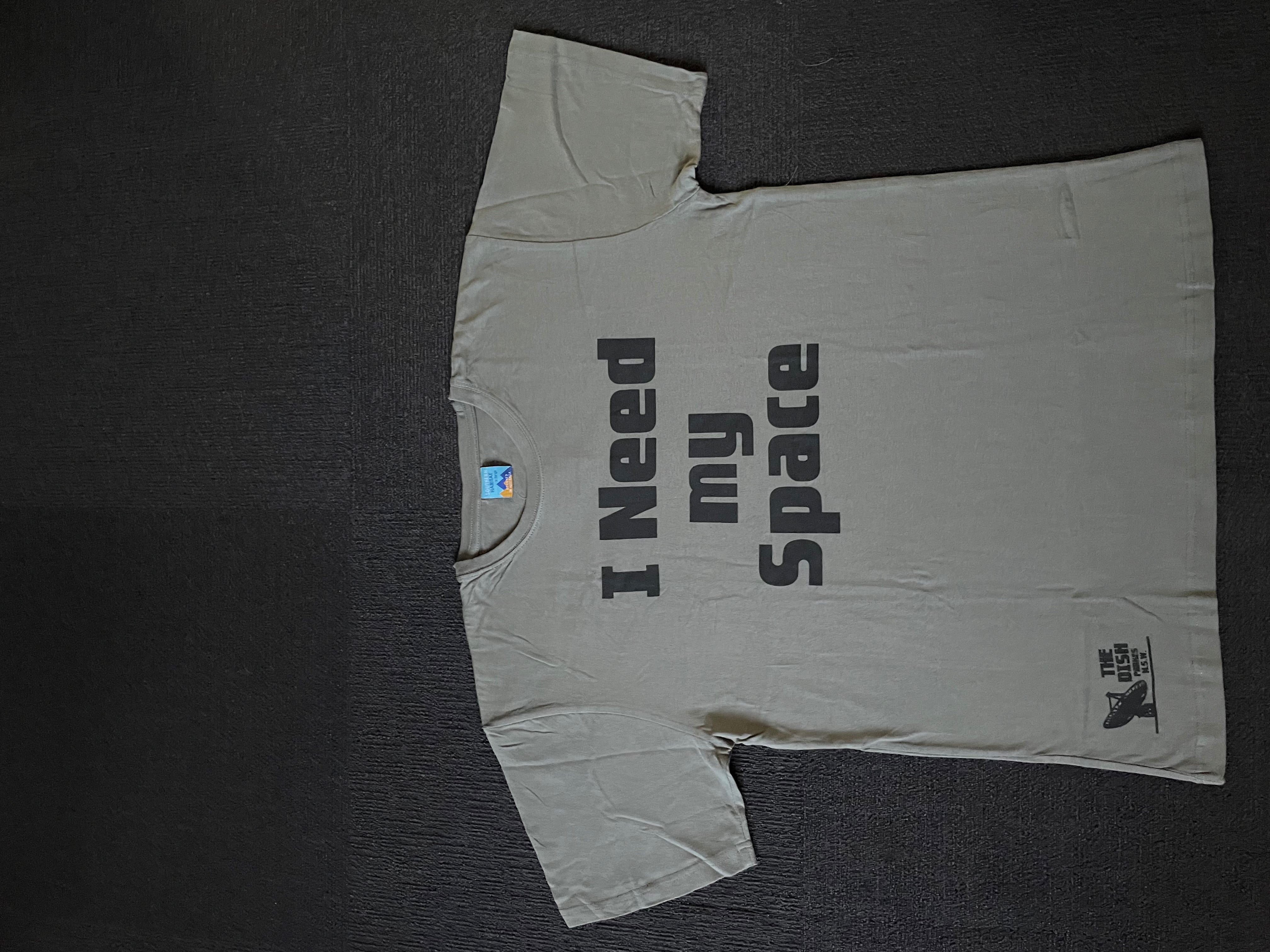
Adults - I Need my Space Shirt Green
$27.95
Men's - I need my space t-shirt. Colour - Khaki. 100% cotton.

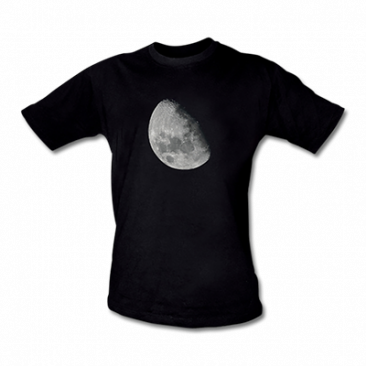


Adults - Pi Shirt
$27.95
When a circle's diameter is 1, its circumference is Pi.
Pi is a mathematical constant which represents the ratio of any circle's circumference to its diameter. This shirt lists pi to many thousands of decimal places. Good luck memorising!


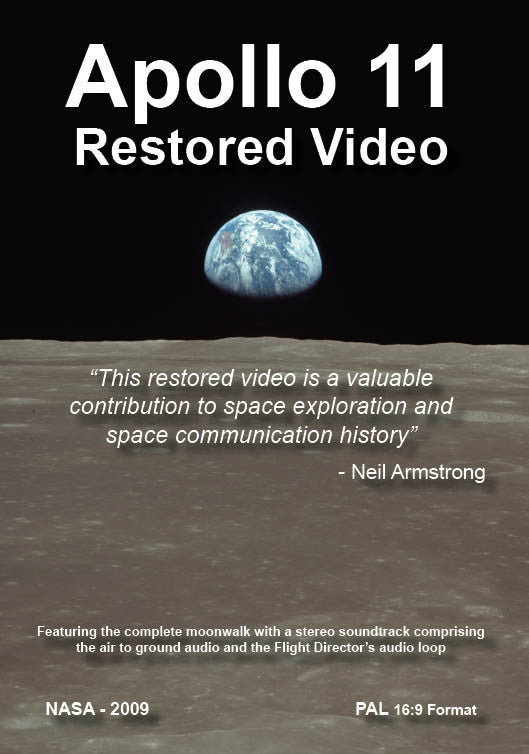
Apollo 11 restored video (DVD)
$19.95
In July 1969, six hundred million people, one-sixth of mankind at the time, witnessed the historic Apollo 11 moonwalk live on TV.
This DVD contains the complete 2009 restoration of the historic TV broadcast, produced by NASA for the Apollo 11 40th anniversary. It includes newly discovered footage not seen by the public since 1969.
"This restored video is a valuable contribution to space exploration and space communication history" - Neil Armstrong.
Running time: 185 minutes. Region: 0 (all regions)

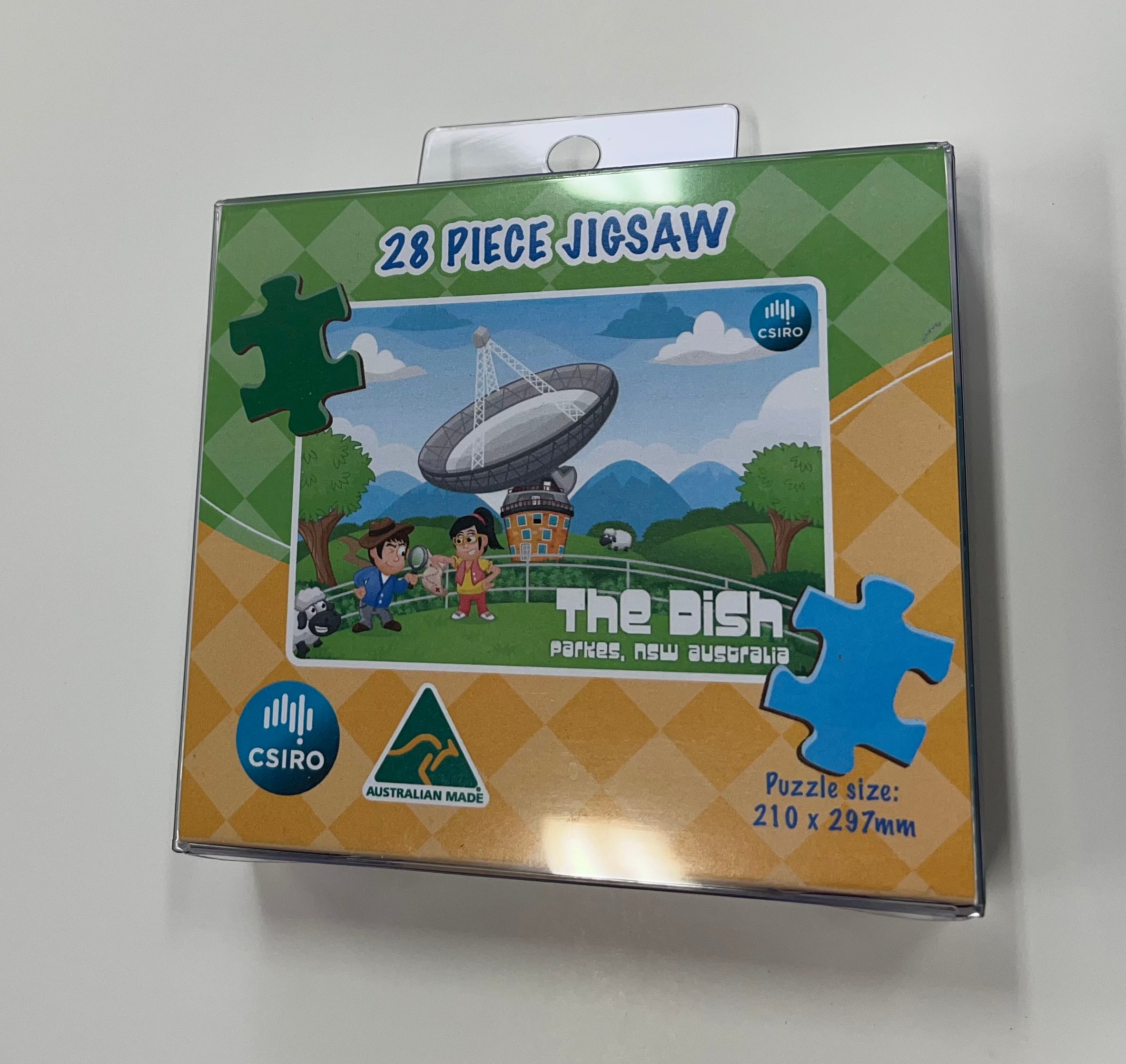
Astro Kids Jigsaw Puzzle
$9.95
The Dish Astro Kids themed jigsaw puzzle
- 28 pieces
- Puzzle size: 210 x 297mm
- Australian made
- Not suitable for ages 0-3


Atomic Slime Lab
$24.95
Make your own Atomic Brain Slime and super slimy Shake Slime. This fantastic, boron free kit includes everything you need to set up your own slime lab and learn about molecules and matter.


Australia Weather Station
$39.95
A traditional way to forecast the weather
Map of Australia shaped storm glass with a beechwood base. Once used by seafarers to predict oncoming storms, this historical device responds to atmospheric fluctuations to forecast the weather!
Assembled: 11 x 11 x 5cm.


Beaver Smart Structures
$29.95
Measure, connect and build with real wood.
- Problem solving skills
- Early engineering learning
- Creativity development
- Divergent thinking
- Motor skills

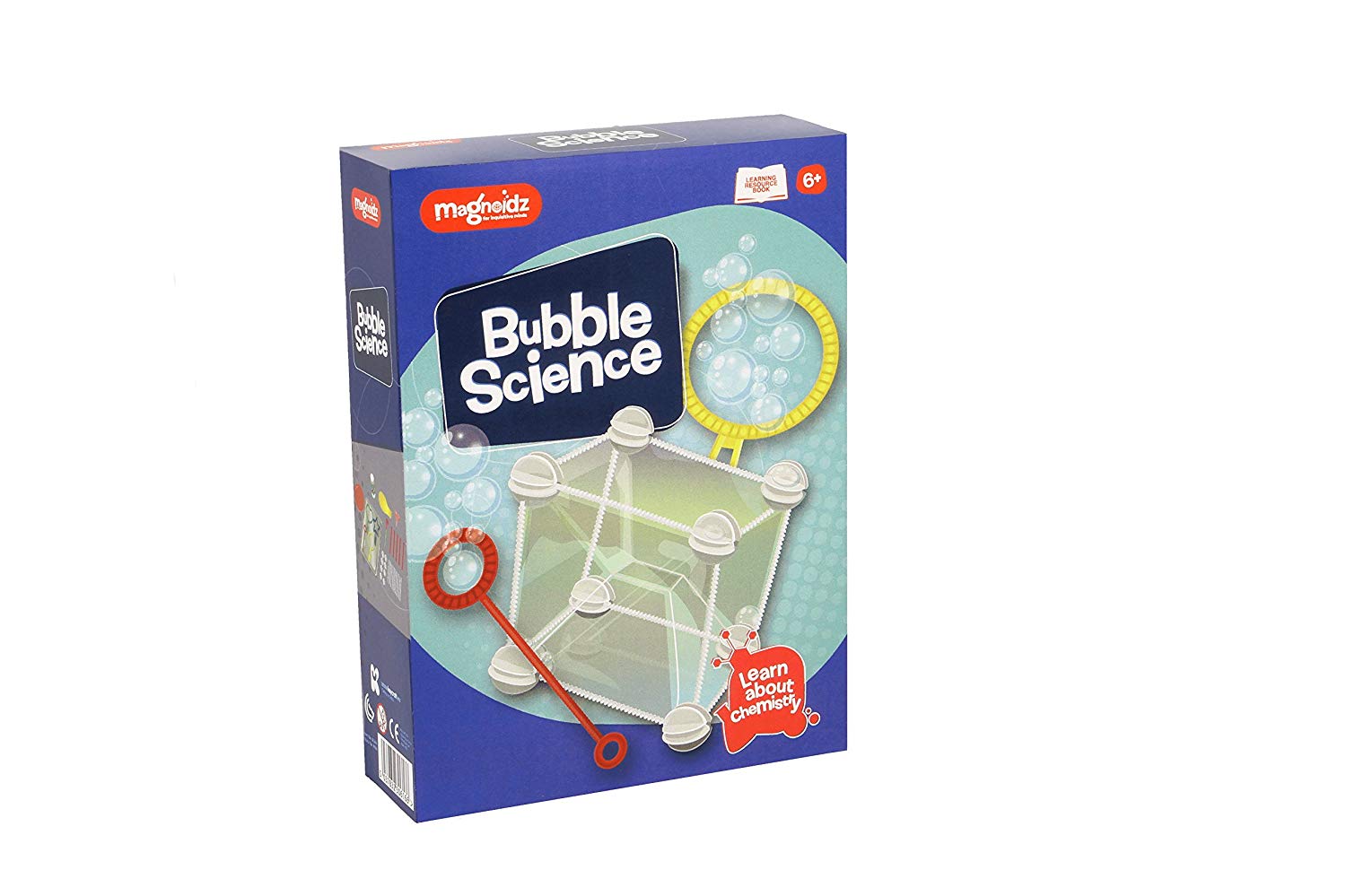
Bubble Science Kit
$19.95
Discover the secrets of soap bubbles with the Magnoidz ‘Science of Bubbles’ Science Kit! This fun and educational science kit is packed with experiments and interesting facts about the science of bubbles.
Learn the secrets of soap bubbles and how to create an array of different bubbles using the items included inside the box. Investigate the properties of water and how attracting forces hold the surface of water together, and more fun facts such as the secrets to the soap bubble’s rainbow of colours.
The fun doesn’t stop there, the educational resource book is full of interesting facts and experiments such as these!

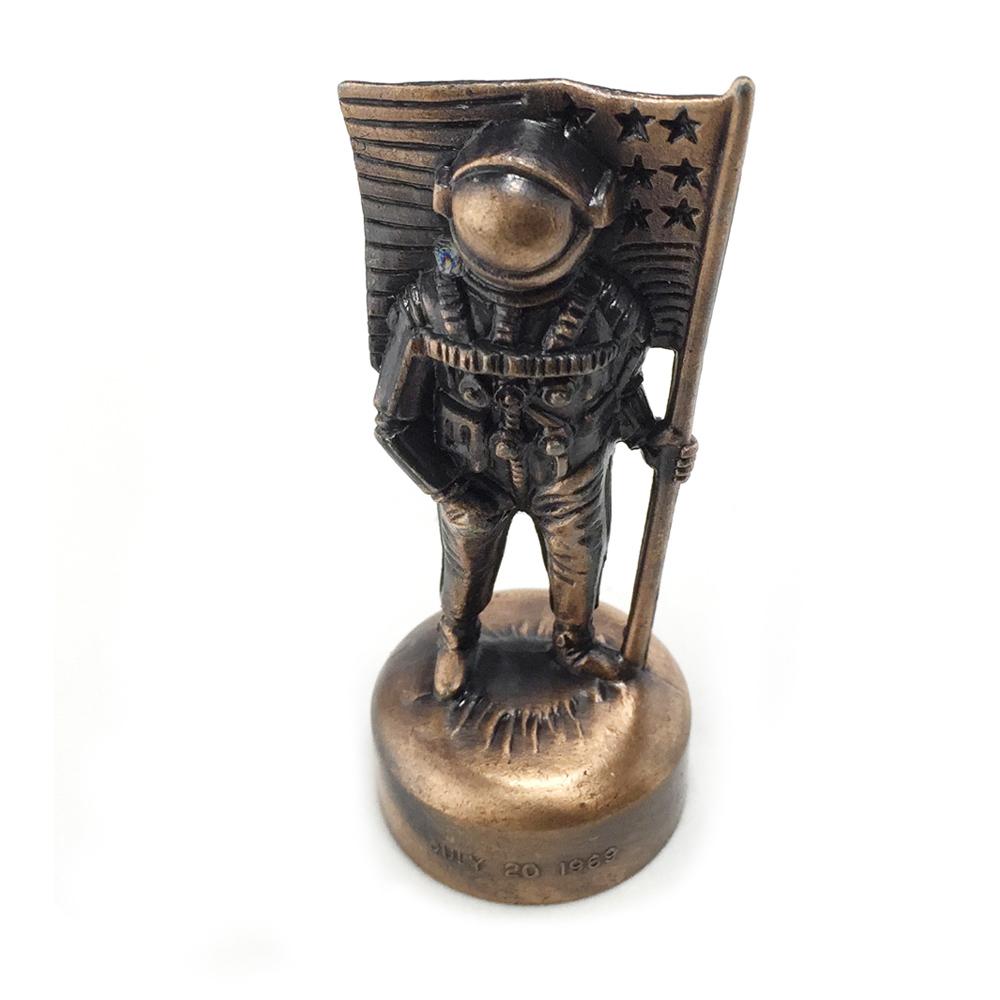
Collectable Die-Cast Pencil Sharpener Astronaut
$7.95
Collectable Miniature Di-Cast
Pencil Sharpener

Collectable Die-Cast Pencil Sharpener Lunar Module
$7.95
Collectable Miniature Di-Cast
Pencil Sharpener

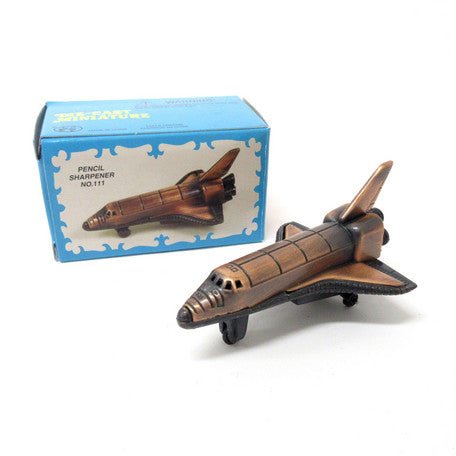
Collectable Die-Cast Pencil Sharpener Space Shuttle Aircraft
$7.95
Collectable Miniature Di-Cast
Pencil Sharpener
Space Shuttle

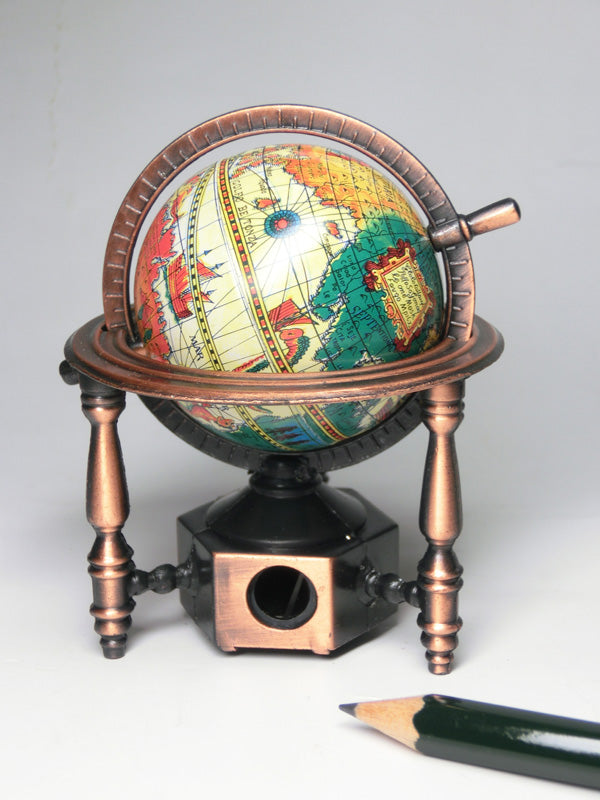
Collectable Die-Cast Pencil Sharpener World Globe
$7.95
Collectable Miniature Di-Cast
Pencil Sharpener


Color Laboratory
$29.95
Science kit for young researchers
About this kit:
The world around us is intriguing, we can gain much joy from experimenting with it and learning about it. This science kit provides children the opportunity to become real researchers for a few hours and to experiment with their own private laboratory.
This kit focuses on experiments with colours. Children will create an ice ball with colourful tunnels, create colour solutions with a variety of substances and then transform and mix the colours. They'll even get to paint with colourful ice.
This science kit come equipped with the necessary equipment excluding some common household items. It includes a clear guide accompanied with photos of the processes as well as fascinating scientific explanations and facts.

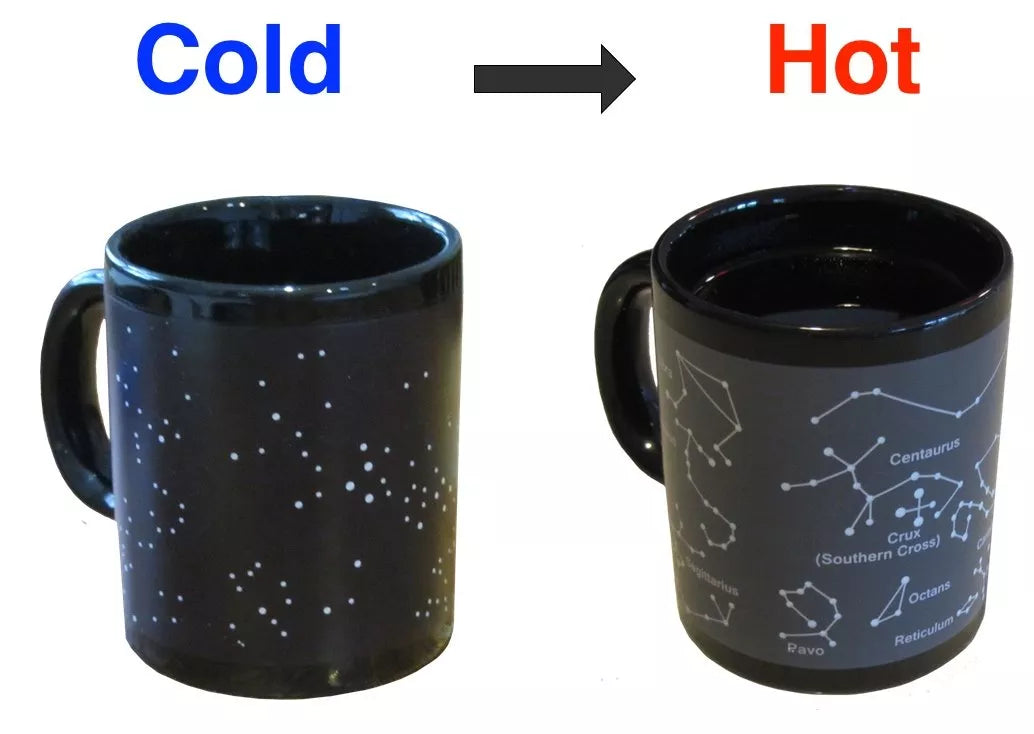
Constellation Mug
$16.95
The Constellation mug is a phase-change mug which transforms from stars to constellations.
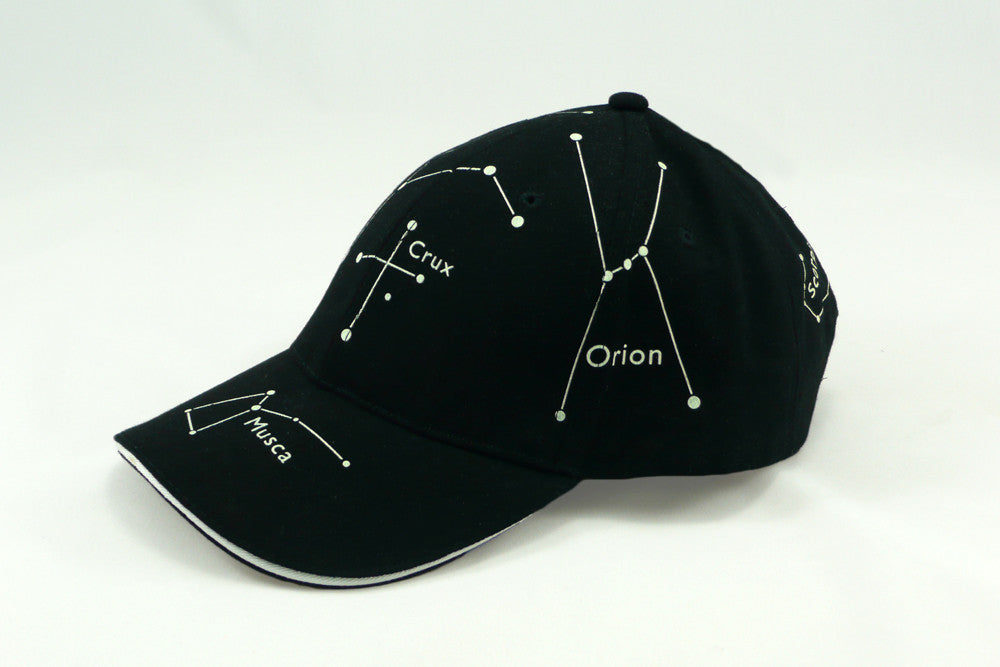
CSIRO Parkes Radio Telescope Glow In The Dark Adult Cap - Black
$24.95
A black cap displaying southern hemisphere constellations. This cap also Glows in the Dark.
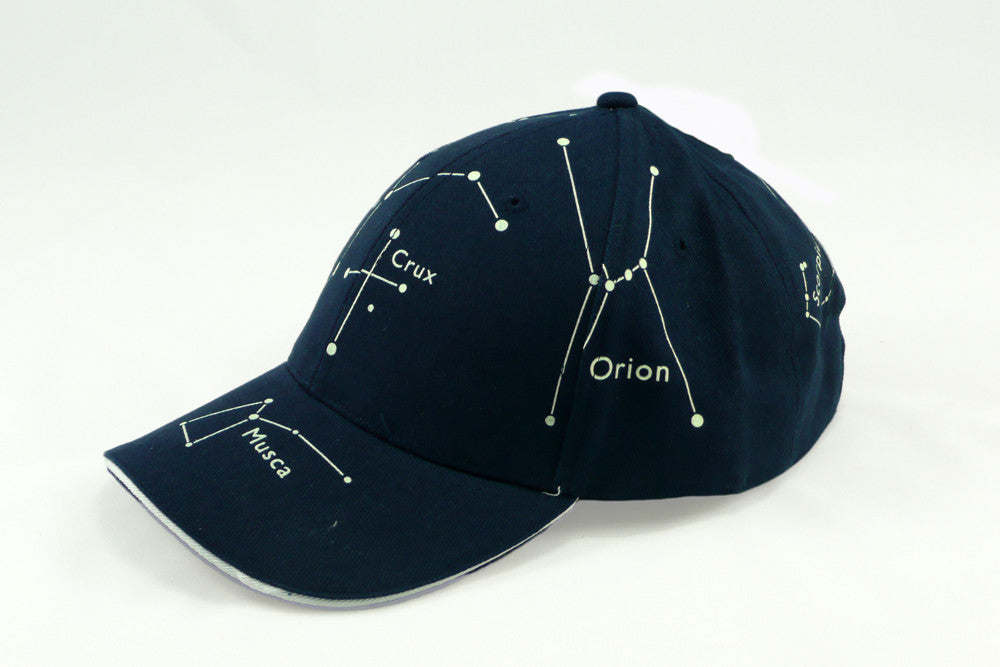
CSIRO Parkes Radio Telescope Glow In The Dark Adult Cap - Navy
$24.95
A Navy cap displaying southern hemisphere constellations. This cap also Glows in the Dark.
Dish Notebook
$14.95
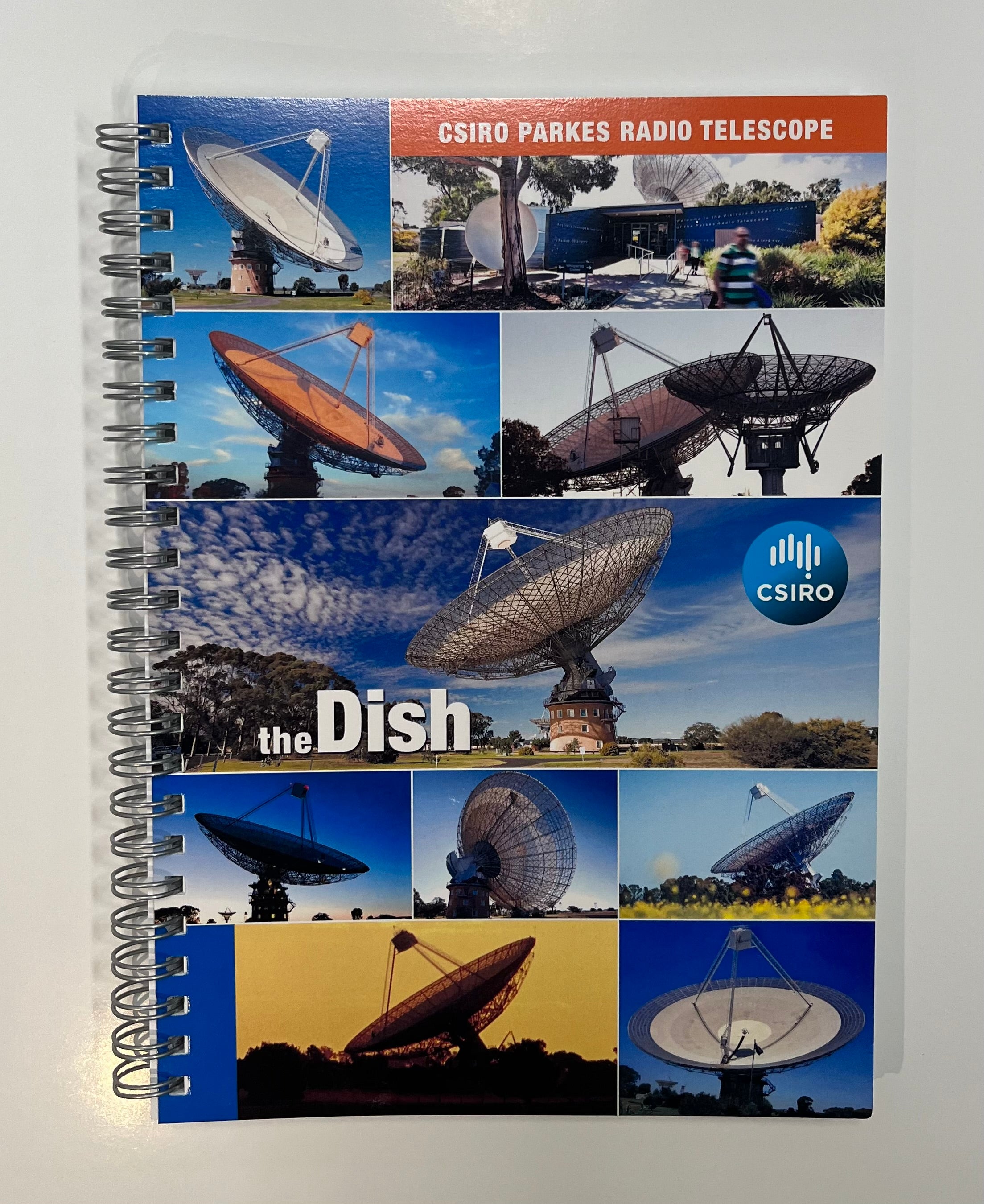
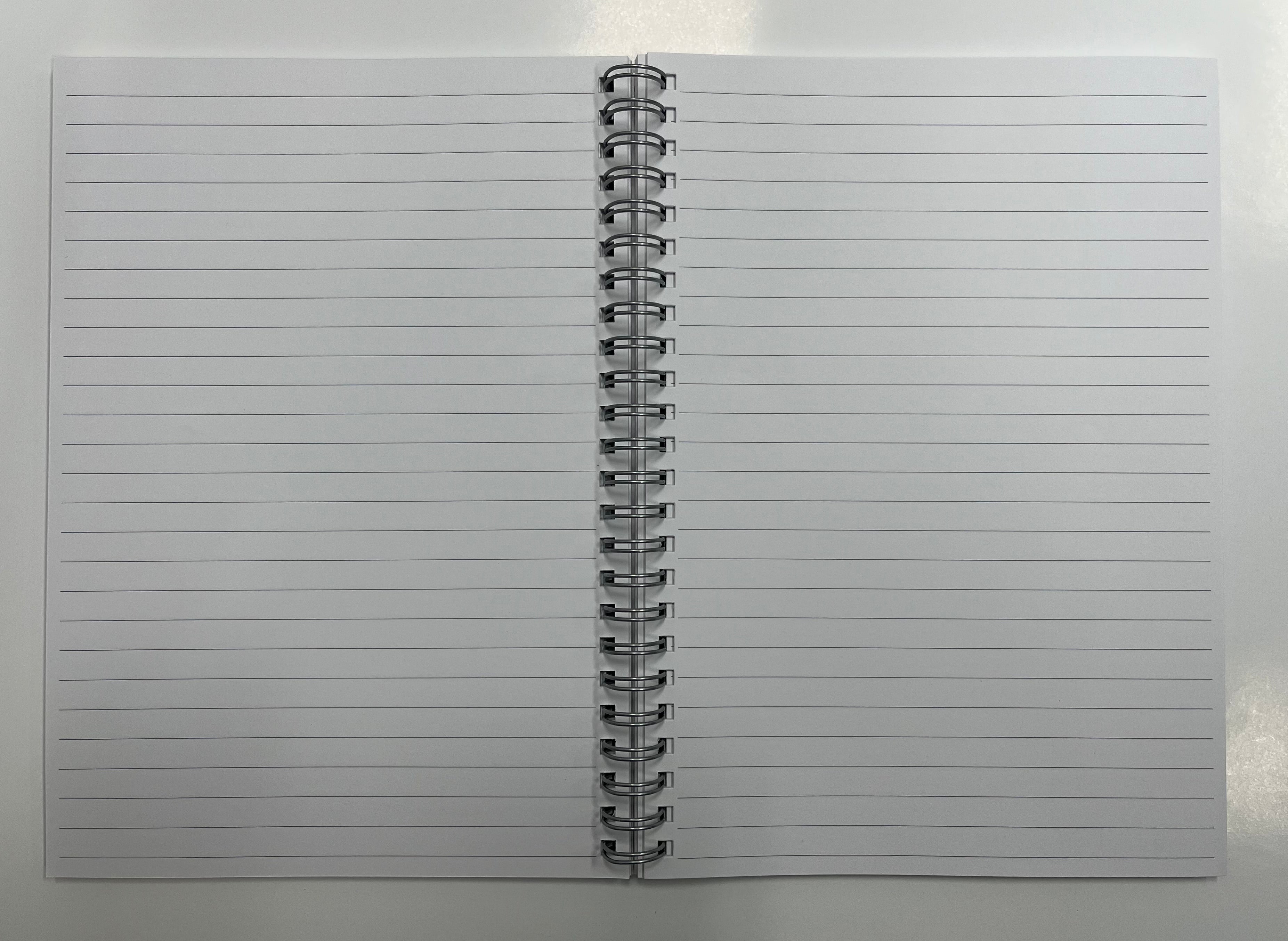
Add a touch of personality to this Parkes Radio Telescope A5, 80 page spiral-bound notebook ready for use at home, school or the office.


Dish Package - The movie 'The Dish' & The Dish Book
$39.95
This package consists of "The Dish Book" and "The Dish DVD". If bought seperate the cost is $44.95. Buying this unique purchase as a " Dish Package" saves you $5.00 and makes a beautiful gift.


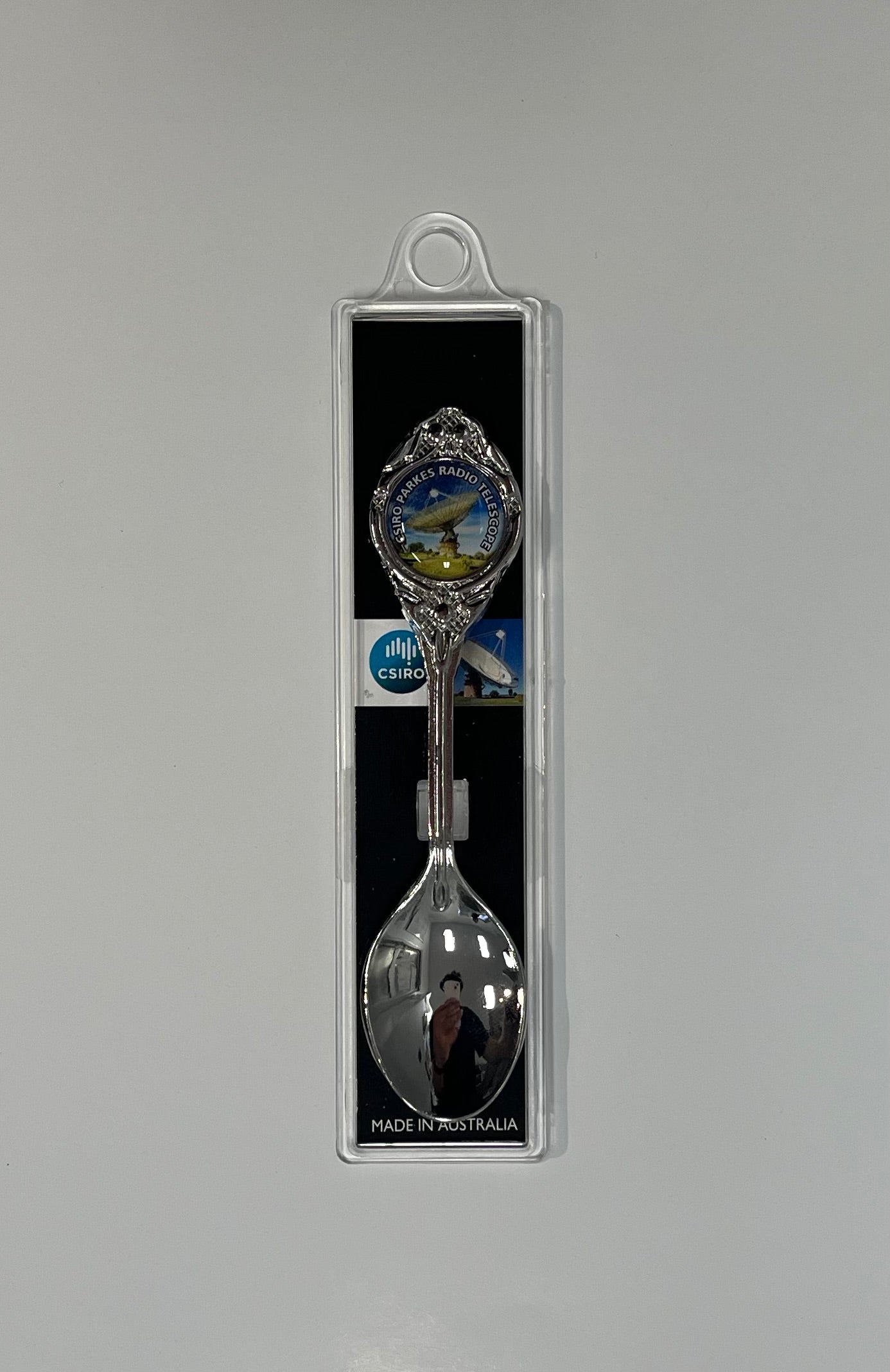
Dish Souvenir Spoon
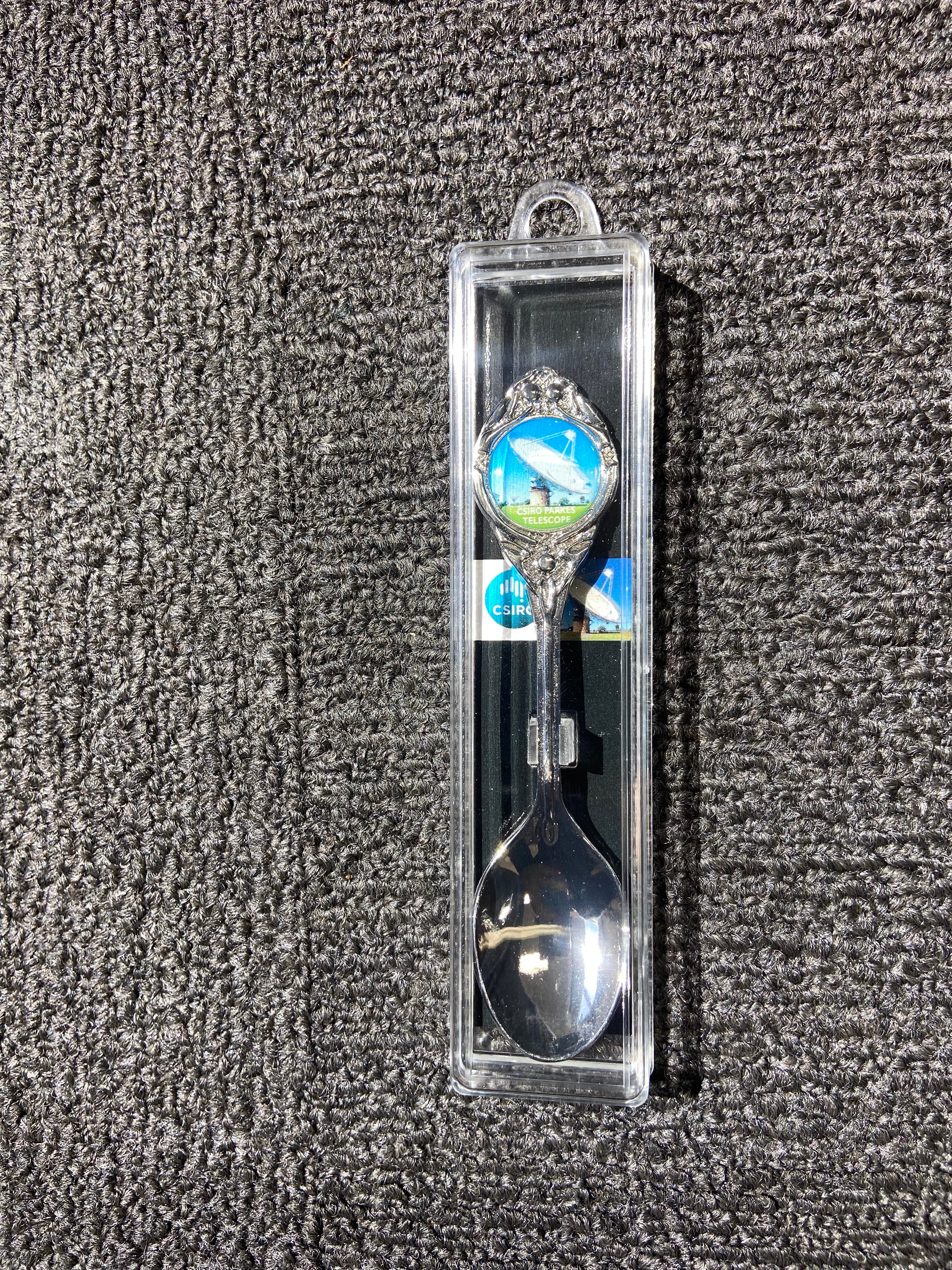
$7.95
- Australian souvenir spoon
- single spoon with CSIRO Parkes Radio Telescope image and text
- A perfect gift or souvenir

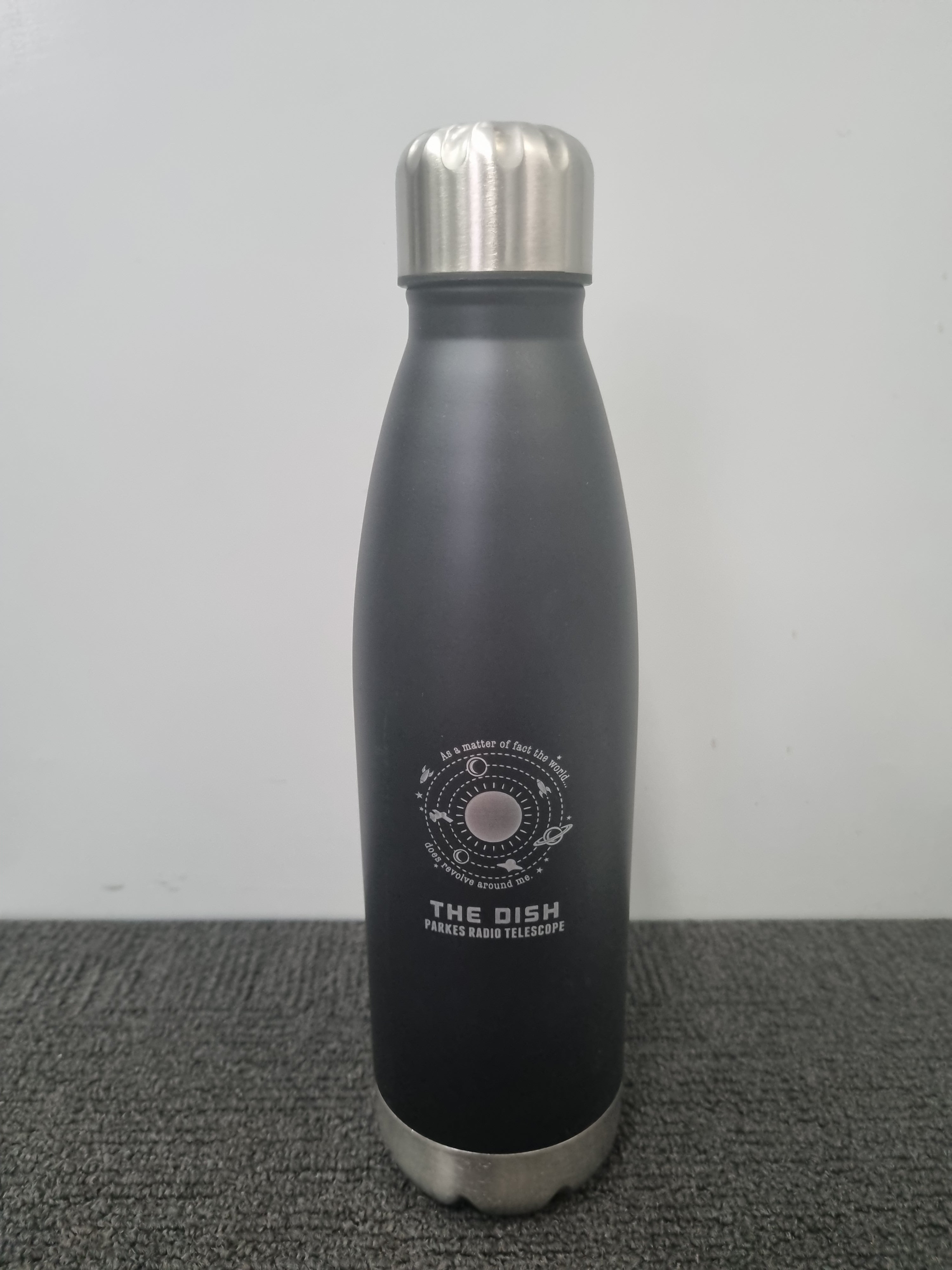
Drink Bottle - the universe revolves around me
$24.95
Quench your thirst with your very own CSIRO Parkes Radio Telescope drink bottle. With a sleek design and featuring the words 'As a matter of fact the world does revolve around me', this bottle will keep you sipping in style.
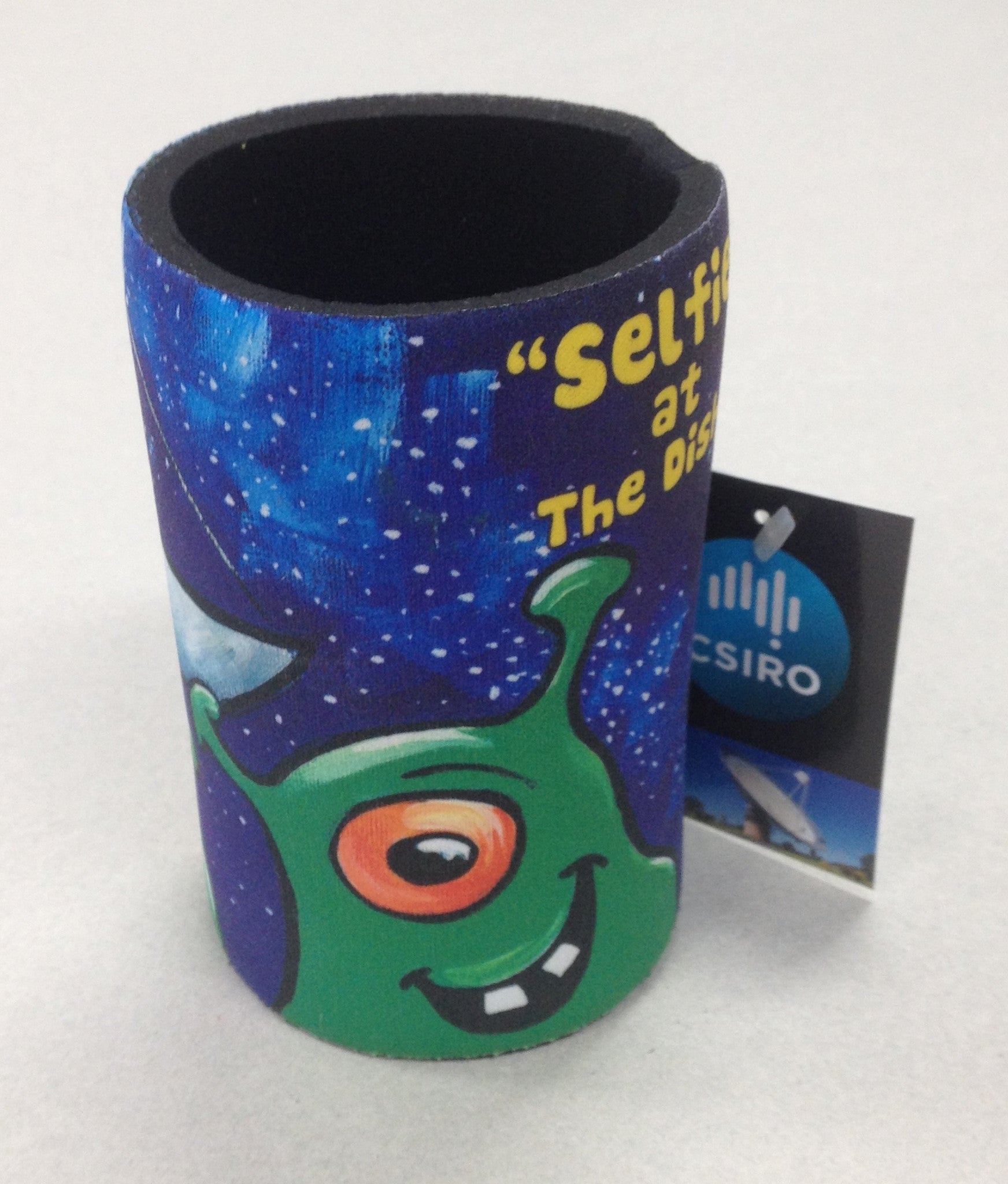
Drink Cooler - Selfie at The Dish
$9.95
A "selfie" taken by aliens on their most recent visit to "The Dish". Yours to show off on a drink cooler. Artwork by M. Marshall.
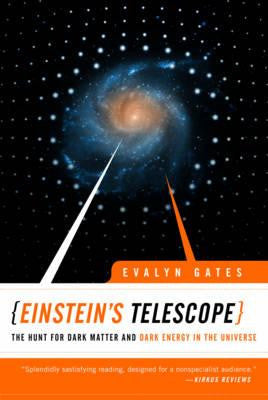
Einstein's Telescope
$29.95
Astronomers have long known that the Universe is expanding, but everything they could see indicated that gravity should be slowing this spread. Instead, it appears that the Universe is accelerating its expansion and that something stronger than gravity --dark energy -- is at work. In Einstein's Telescope Evalyn Gates, a University of Chicago astrophysicist, transports us to the edge of contemporary science to explore the revolutionary tool that unlocks the secrets of these little-understood cosmic constituents. Based on Einstein's theory of general relativity, gravitational lensing, or "Einstein's Telescope," is enabling new discoveries that are taking us toward the next revolution in scientific thinking -- one that may change forever our notions of where the Universe came from and where it is going.

Einstein: A Life
$64.95
The first full-scale biography of the most renowned name in science to be written since those who closely guarded his privacy have died. Based on 20 years of research and interviews with intimate friends and associates willing to discuss Einstein as never before, this riveting book details his childhood and youth. Contains extensive material on his adult life never published before to reveal the crux of Einstein's personality and private life in a way few others have. Includes rare photographs.
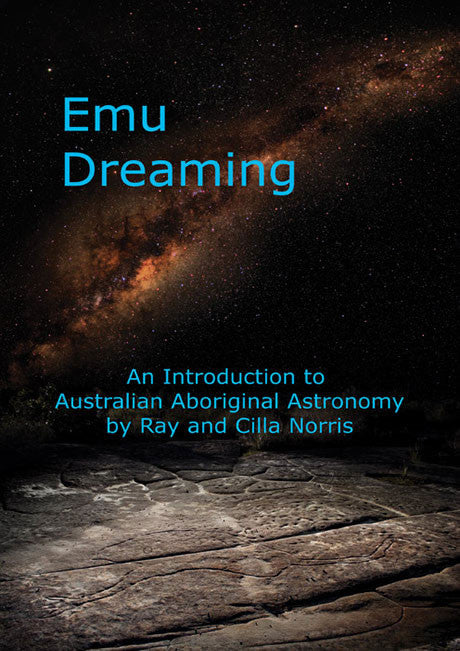
Emu Dreaming by Ray Norris
$19.95
This book gives you an easy-to-read introduction to what we know about Aboriginal Astronomy, and the current state of research into this area.
Each of the 400 different Aboriginal cultures in Australia has a distinct mythology, ceremonies, and art forms, some of which have a strong astronomical component. Many share common traditions such as the “emu in the sky” constellation of dark clouds, and stories about the Sun, Moon, Orion, and the Pleiades. Several use the rising and setting of particular stars to indicate the time to harvest a food source, and some link the Sun and Moon to tides, and even explain eclipses as a conjunction of the Sun and Moon.
Thse traditions reveal a depth and complexity of Aboriginal cultures which are not widely appreciated by outsiders. This book explores the wonderful mystical Aboriginal astronomical stories and traditions, and the way in which these are used for practical applications such as navigation and harvesting. It also describes the journey of exploration which is opening Western eyes to this treasury of ancient Aboriginal knowledge.
It's written by Prof. Ray Norris (an astrophysicist with CSIRO, and an Adjunct Professor at the Dept. of Indigenous Studies, Macquarie University), and his wife Cilla. They have spent the last five years studying Aboriginal Astronomy.
Their research has included:
- uncovering little-known academic manuscripts,
- visiting Aboriginal sites throughout Australia, including the Sydney rock-art,
- spending time with the Yolngu communities in Arnhem Land.

Eureka
$54.95
The common language of genius: Eureka! While the roads that lead to breakthrough scientific discovery can be as varied and complex as the human mind, the moment of insight for all scientists is remarkably similar. The word "eureka!", attributed to the ancient Greek mathematician Archimedes, has come to express that universal moment of joy, wonder-and even shock-at discovering something entirely new. In this collection of twelve scientific stories, Leslie Alan Horvitz describes the drama of sudden insight as experienced by a dozen distinct personalities, detailing discoveries both well known and obscure. From Darwin, Einstein, and the team of Watson and Crick to such lesser known luminaries as fractal creator Mandelbrot and periodic table mastermind Dmitri Medellev, Eureka! perfectly illustrates Louis Pasteur's quip that chance favors the prepared mind. The book also describes how amateur scientist Joseph Priestley stumbled onto the existence of oxygen in the eighteenth century and how television pioneer Philo Farnsworth developed his idea for a TV screen while plowing his family's Idaho farm.

First Sticker Book Space (Usborne)
$19.95
Strap yourself in for a rocket-fuelled adventure into the world of space. Use the stickers in this book to bring each amazing scene to life.
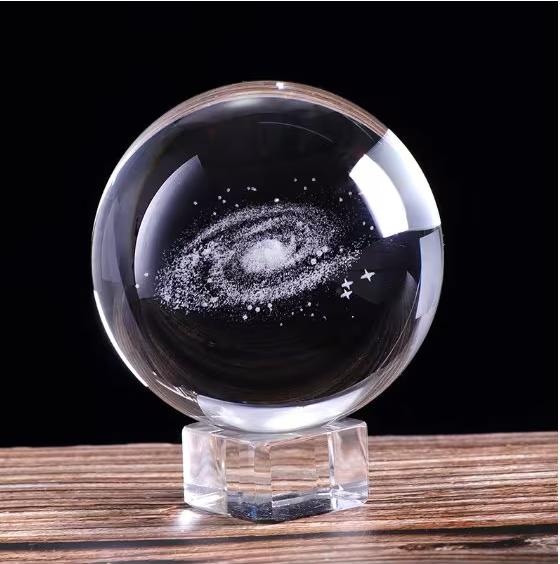
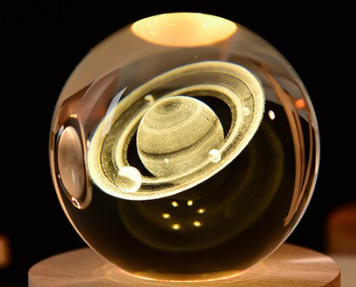


Glass Dome Ball
$44.95
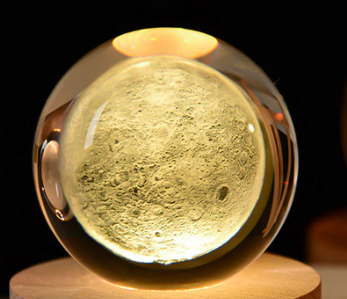
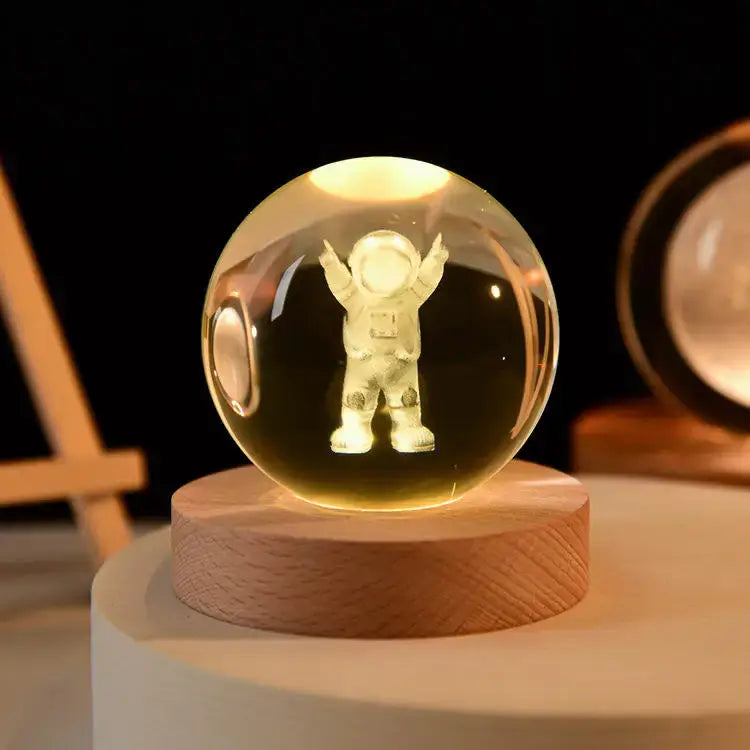
Take a look at these Glass Dome Balls. Choose your favourite style.
Please note: Choose a light to go with your Glass Dome Ball


Glow in the Dark Space Activities
$12.95
Get ready for activities that are out of this world!
Match the aliens pairs, create a starry constellation, and press out your card pieces to make your own galactic creations. Includes 22 glow-in-the-dark stars to light up your room at night!


High Bounce Ball Kit
$14.95
This fantastic kit includes everything you need to create up to 6 high bouncing balls! It's never been more fun to bounce your unique design!
Kit includes:
- 1 large mould
- 2 small moulds
- 6 sachets of crystal powder
- Full instructions
Please note: This kit contains enough powder to make 1x large ball and 2x small balls or alternatively 6x small balls. Store balls in an airtight container. Over time the balls will gradually dry out and bounce will decrease.
For ages 6+


History of Mathematics - 3rd Edition
$69.95
Whether you're interested in the age of Plato and Aristotle or Poincare and Hilbert, whether you want to know more about the Pythagorean theorem or the golden mean, "A History of Mathematics" is an essential reference that will help you explore the incredible history of mathematics and the men and women who created it.
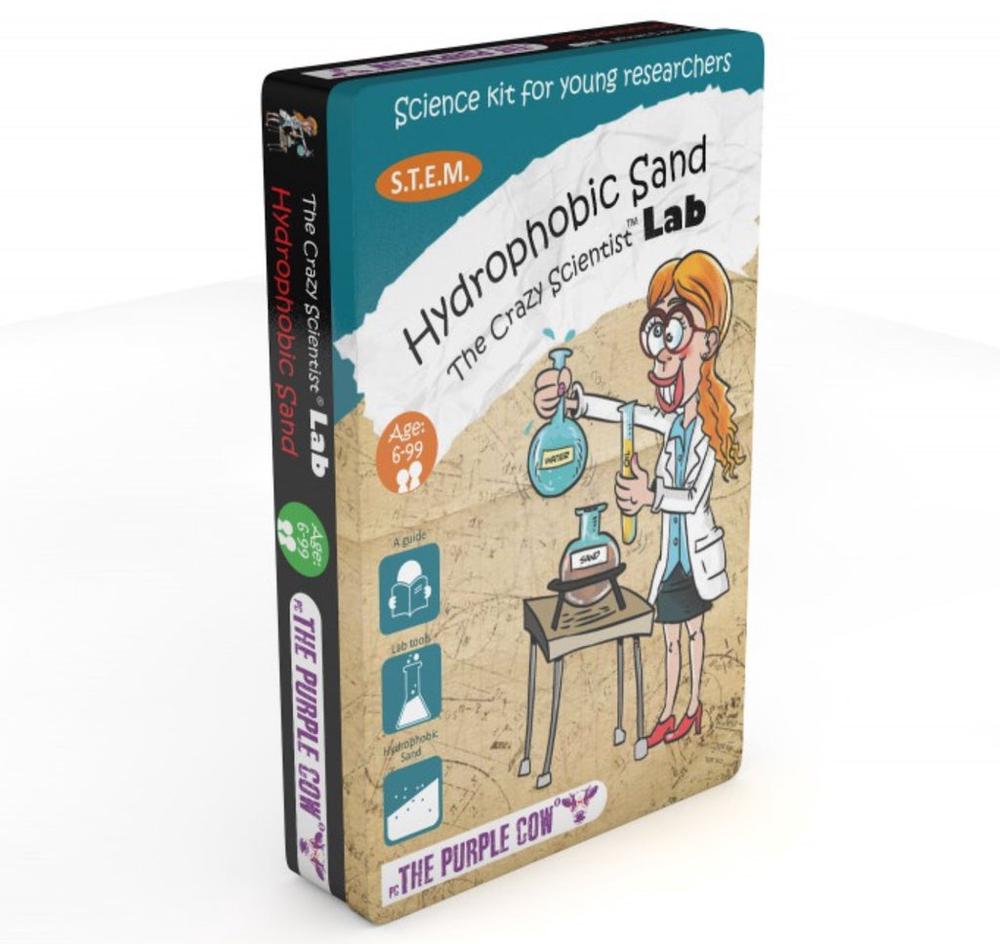
Hydrophobic Sand
$29.95
Science kit for young researchers
About this kit:
It looks like ordinary sea sand, and it feels like ordinary sand - but it is anything but ordinary!!!
In this kit we explore the fascinating scientific qualities of hydrophobic sand and its uses. We will compare it with regular sand and witness the amazing differences.
Does it really stay dry when taken out from water?!
How does it assist us in prevention of natural disasters?
In a series of 10 compelling experiments we will learn all there is to learn about the fascinating hydrophobic sand.

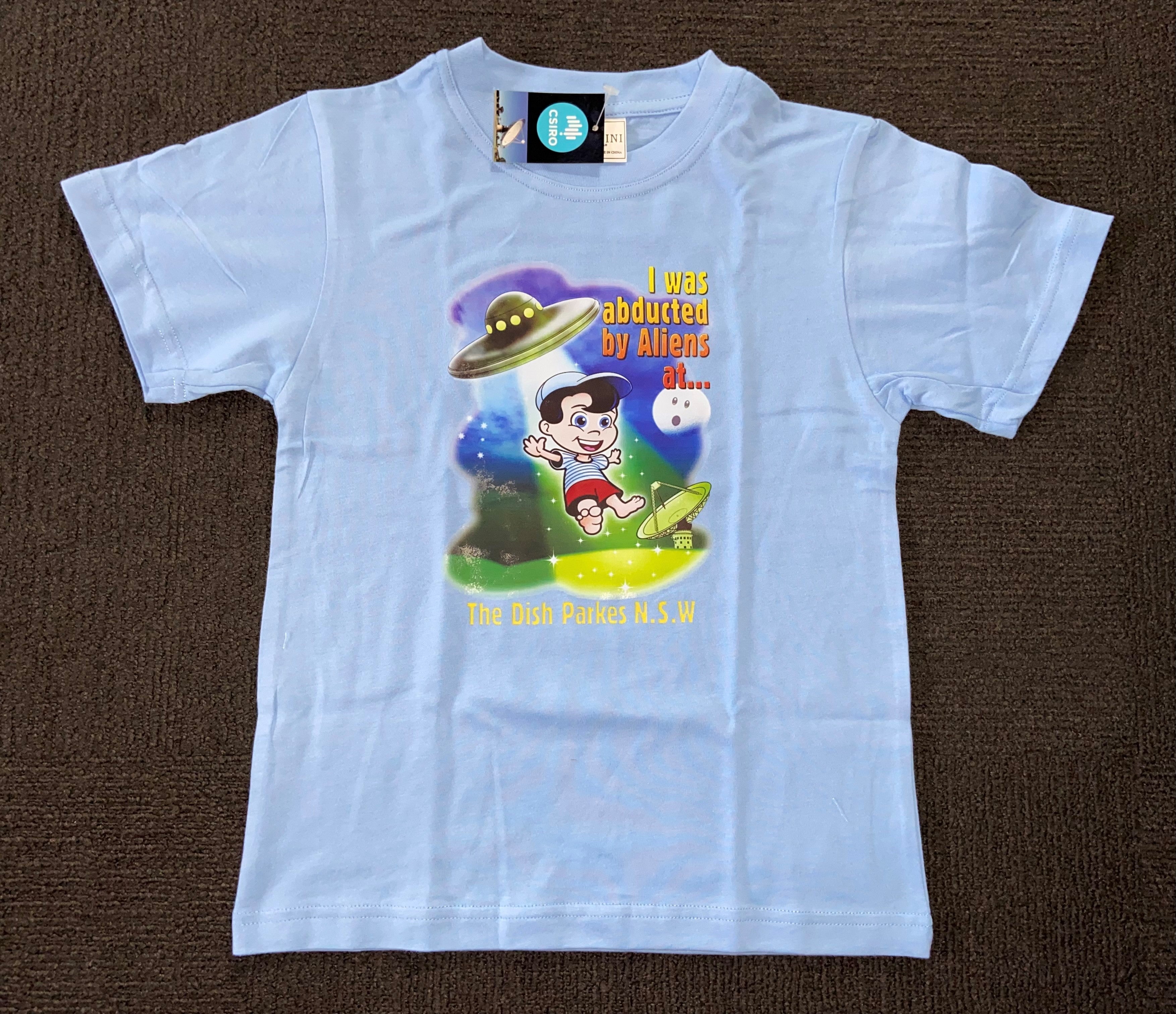
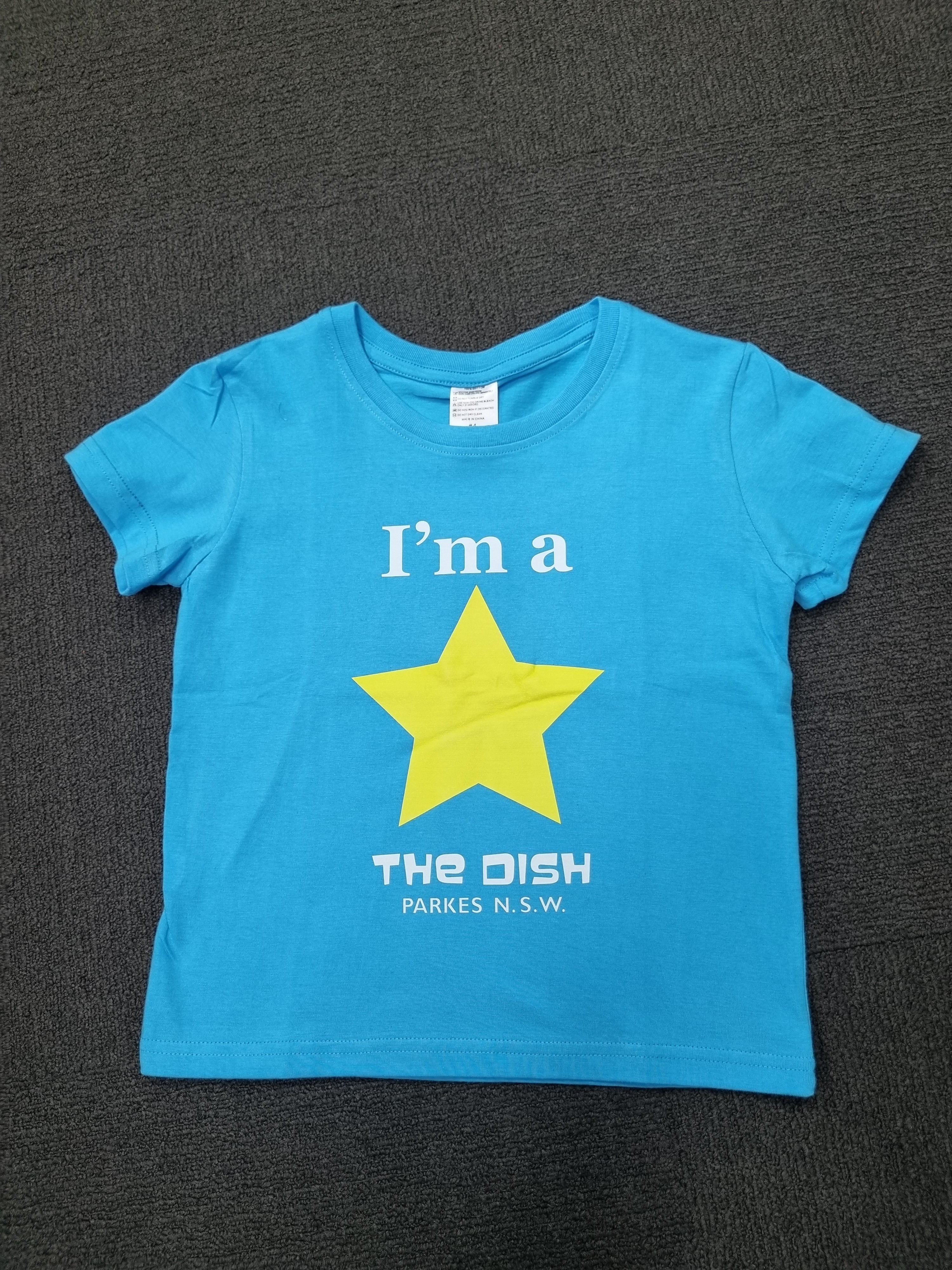
Kids - Abducted by Aliens Shirt
$24.95
A fun t-shirt for kids. 100% Cotton.



Kids - Selfie at the Dish Shirt
$24.95
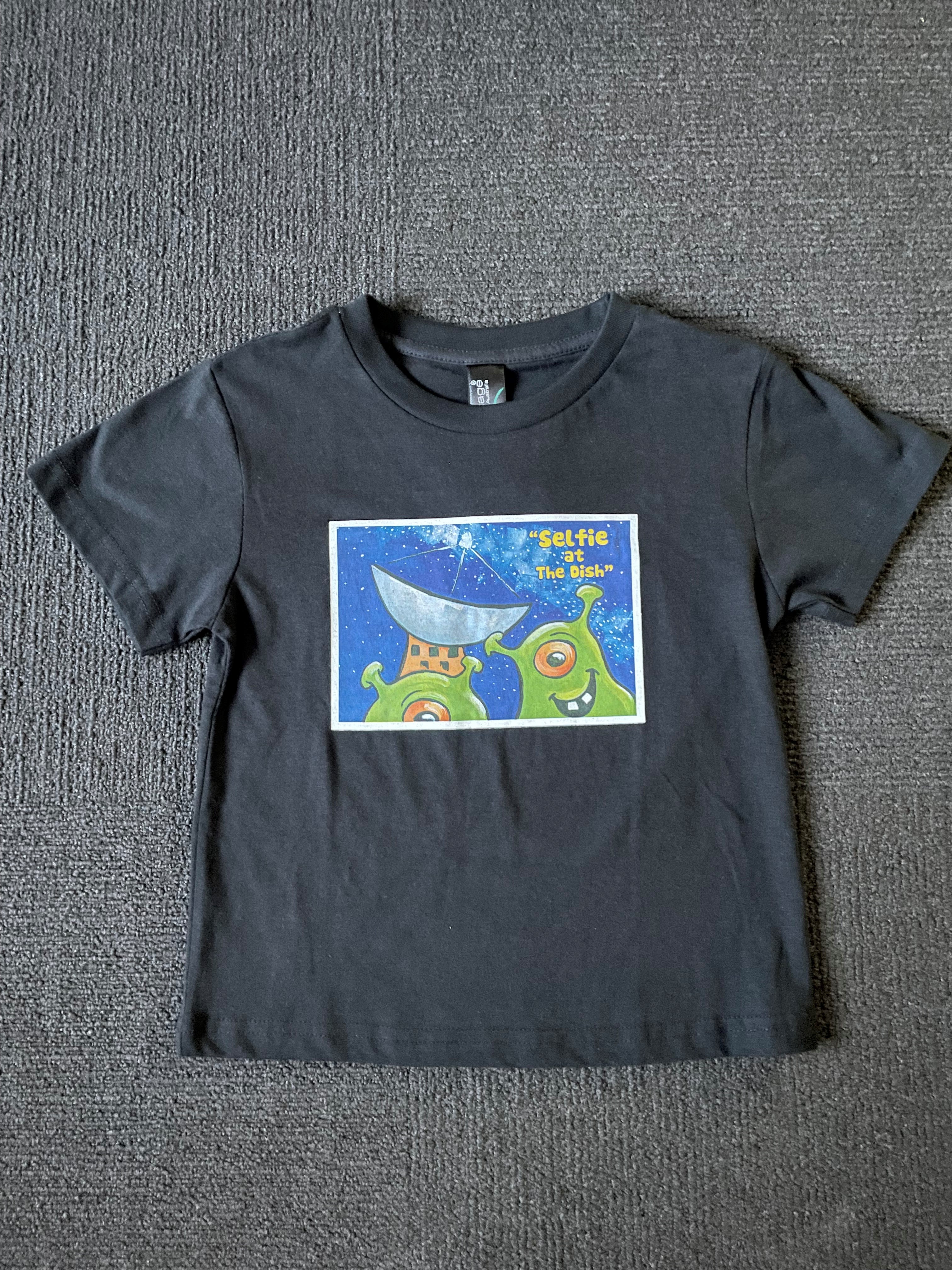
Enjoy this kids Selfie at the Dish T-Shirt. 100% Cotton. Colour Black
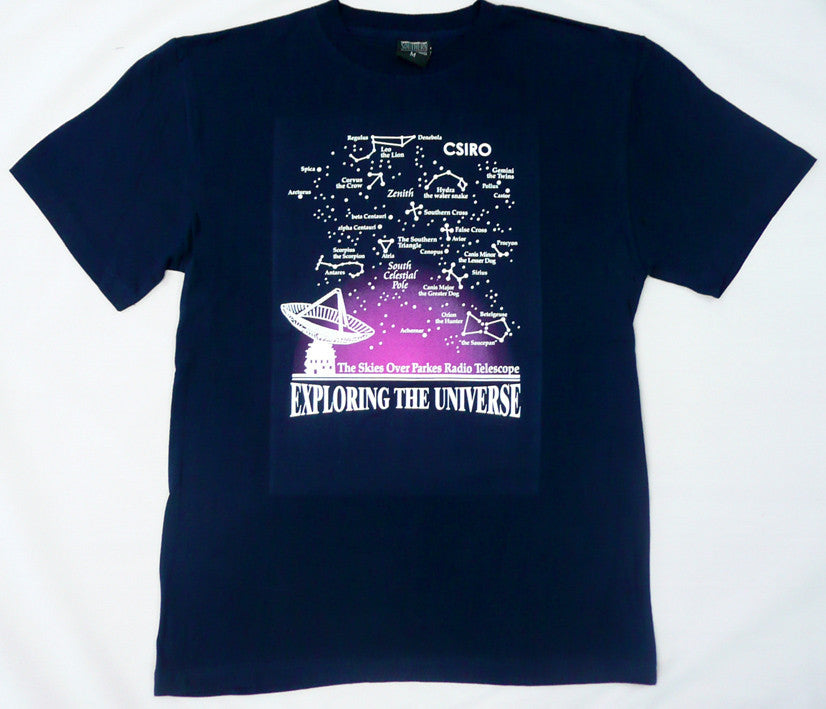
Kids - Starry Shirt
$24.95
Light up the night with this glow in the dark t-shirt.
100% Cotton


Leather Keyring - The Dish
$9.95
This leather keyring is a great way to remember your trip to see the Dish!

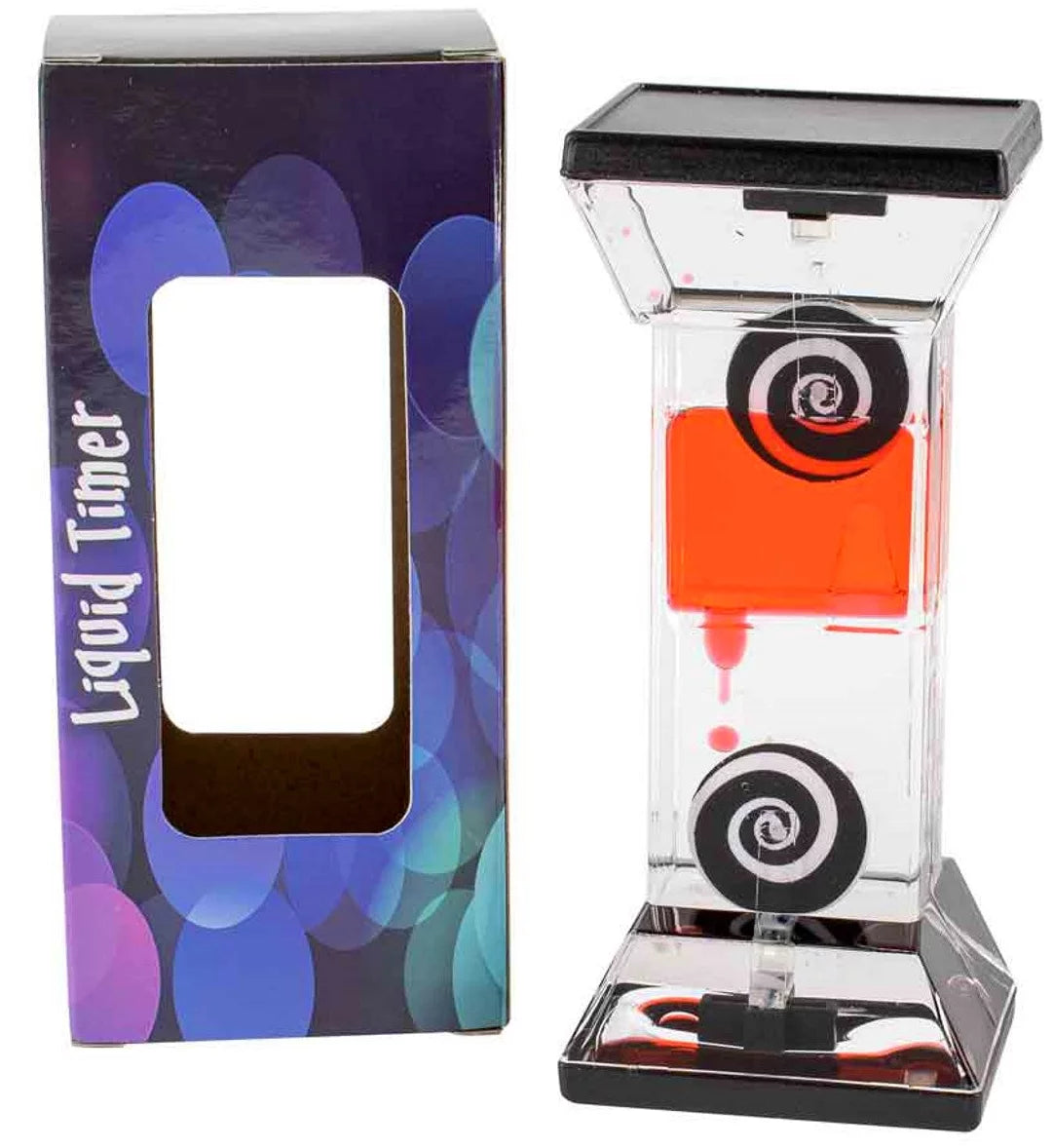
Liquid Timer
$19.95
Liquid timer displays the mechanics of varying liquids in motion. Discover how different densities of liquid travel through the lighter clear liquid.

Magnet Set
$14.95
Discover the fun with magnets! This set contains 6 magnets, some paper clips and other magnetic objects.Information
Payment Method

